Silence in the High Fanes: Crossing the Dolomites on Foot
Dispatched from Alta Badia • Photography by 111111 Field Contributors
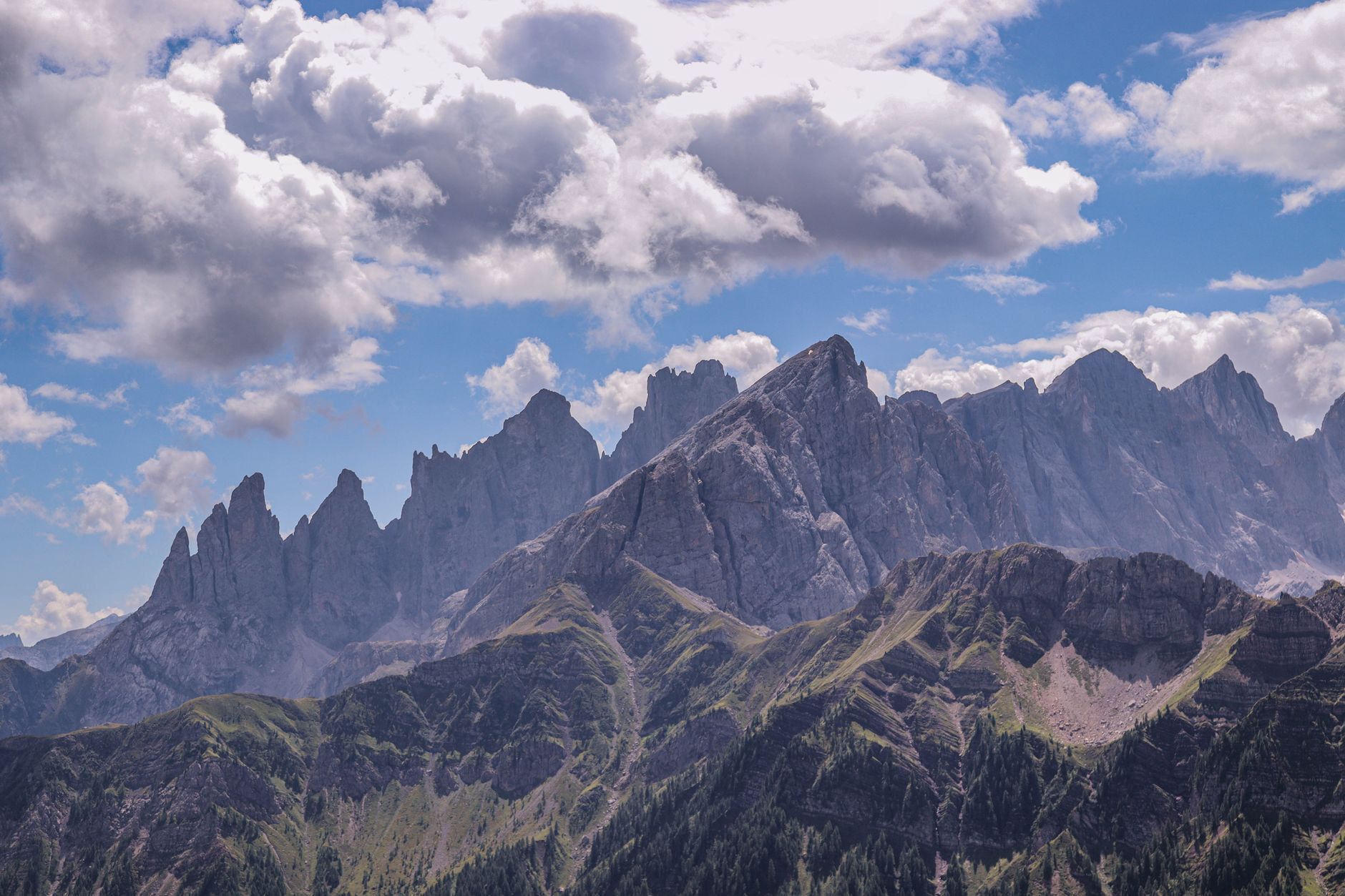
Table of Contents
Two hundred and fifty million years ago, the jagged pinnacles that now define the Parco Naturale Fanes-Sennes-Braies were underwater atolls in a tropical ocean. As the African and Eurasian tectonic plates collided, these prehistoric coral reefs were thrust into the sky, creating the pale magnesium limestone walls known locally as the Pale Mountains.
To traverse this high desert on foot during late autumn is to witness Europe stripped of tourism congestion. The ski lifts remain shuttered; cable cars swing silently on their cables. The only locomotion available is the boot sole against chalky scree.
The Autonomous Rhythm of the Rifugi
High on the plateau at 2,060 meters, the rifugio doors are heavy timber slabs bound in forged iron. Here, the Ladin dialect—a neo-Latin linguistic relic that has resisted assimilation for over a millennium—is spoken across the kitchen counters.
“The mountains do not belong to the mountaineer; the mountaineer belongs to the weather. If you respect the cloud line, you will dine on warm polenta and mountain butter until the sun returns.”
The culinary grammar of these alpine outposts is radical in its frugality: elderberry syrup drawn from high-altitude bushes, rye bread baked twice a year in wood-fired village ovens, and aged mountain cheeses made from cows that graze strictly above the tree line.
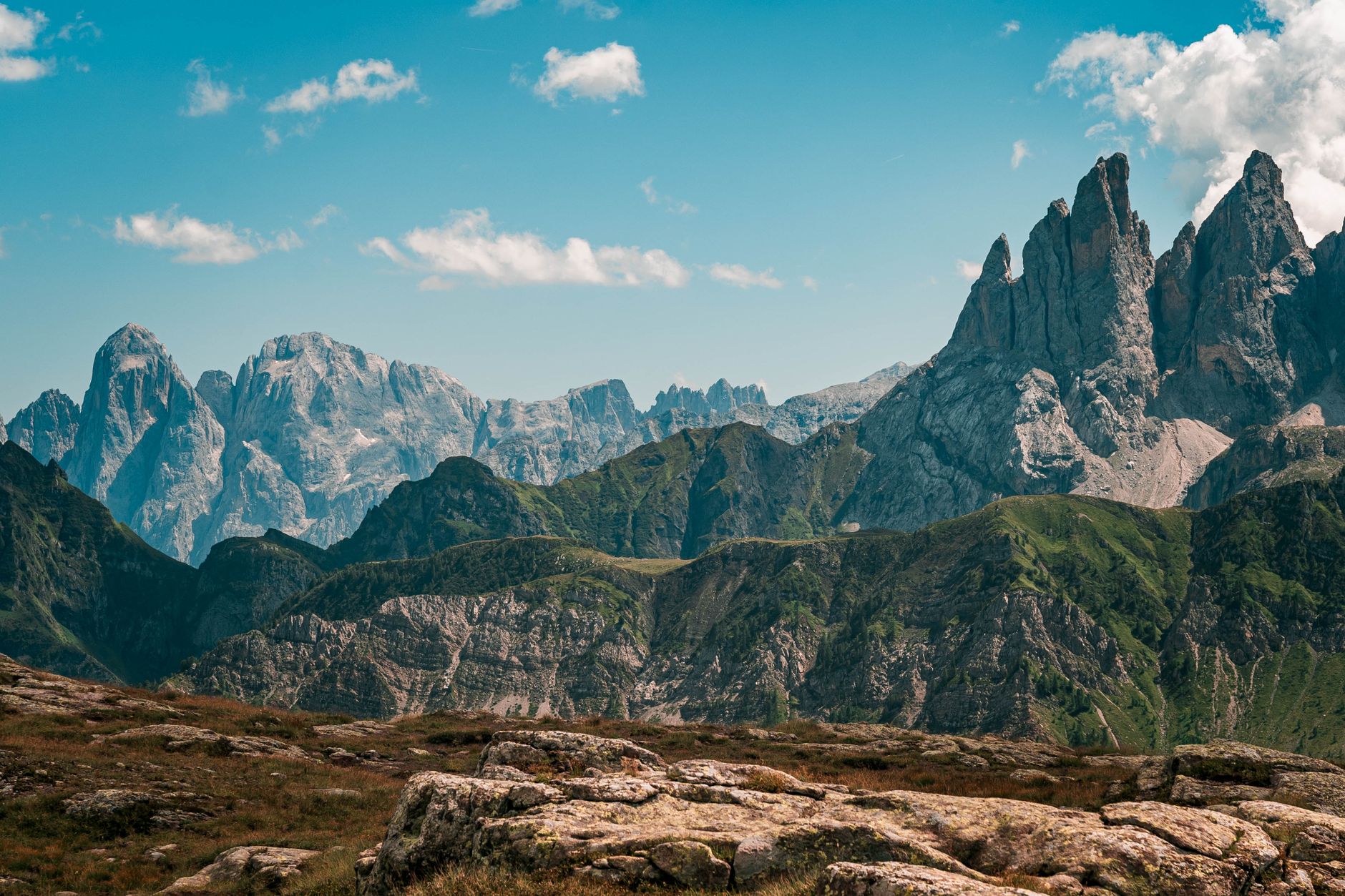
An alpine rifugio nestled beneath the precipitous limestone face of the Conturines.
Stewardship on the Edge of Exposure
As climate volatility shifts alpine snowfall patterns, regional conservators have resisted the expansion of asphalt access roads. Reaching these refuges requires six hours of measured ascent. This physical tax acts as a natural sieve, ensuring that those who populate these valleys come with reverence rather than haste.
Standing atop the plateau at dusk, when the limestone absorbs the setting sun in the phenomenon termed enrosadira—burning from apricot to deep violet against cold shadows—one experiences a quietude that modern urban centers have rendered extinct.
Explore High-Altitude Sanctuaries
Receive our bespoke walking itineraries connecting heritage rifugi across Northern Italy.
Contact Editorial Desk