Smoked Agave & Black Clay: Gastronomic Reverence in Oaxaca
Field report from the Central Valleys • Photography by 111111
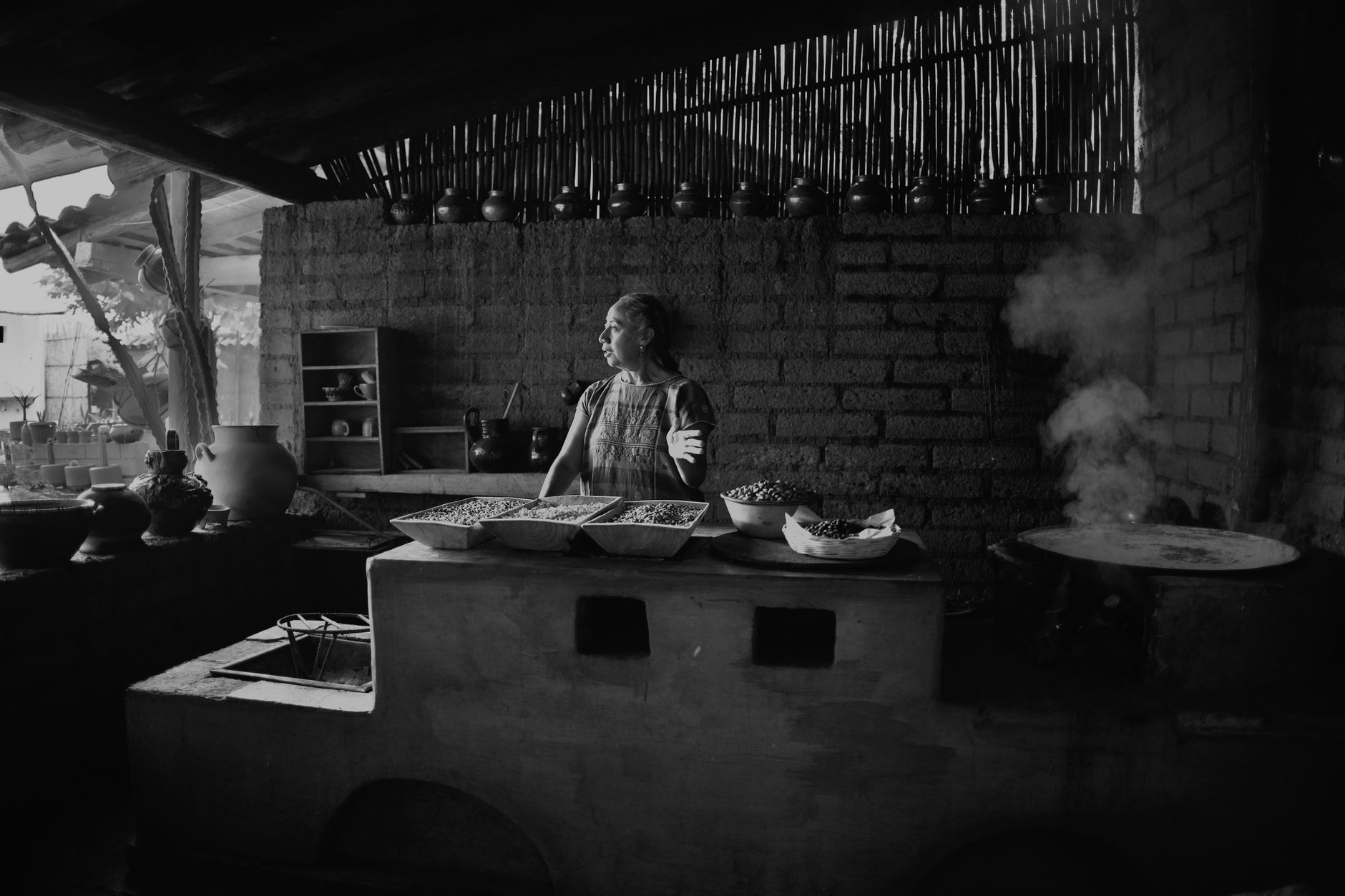
Table of Contents
In the high valleys of Oaxaca, gastronomy is not treated as a transient lifestyle hobby; it is a sacred civic covenant. The foundation rests upon the milpa—a symbiotic polyculture of heirloom maize, climbing beans, squash blossoms, and wild herbs that has sustained Zapotec and Mixtec civilizations for millennia.
In the quiet town of San Jerónimo Tlacochahuaya, far removed from the loud cocktail corridors of Oaxaca Centro, third-generation farmers preserve criollo corn varieties in hues of obsidian, deep rose, and amber. Ground upon volcanic stone metates, this nixtamalized grain forms the aromatic vessel of daily existence.
Barro Negro: Firing Earth in Stillness
Complementing this agricultural intimacy is the ceramic tradition of barro negro. In underground kilns sealed with moist clay and river silt, pottery vessels are fired in oxygen-deprived smoke for days until their iron-rich minerals turn an indelible metallic black.
“A meal served on industrial porcelain tastes of factories. A meal served in clay that was dug from your grandmother’s pasture tastes of rain and stone.”
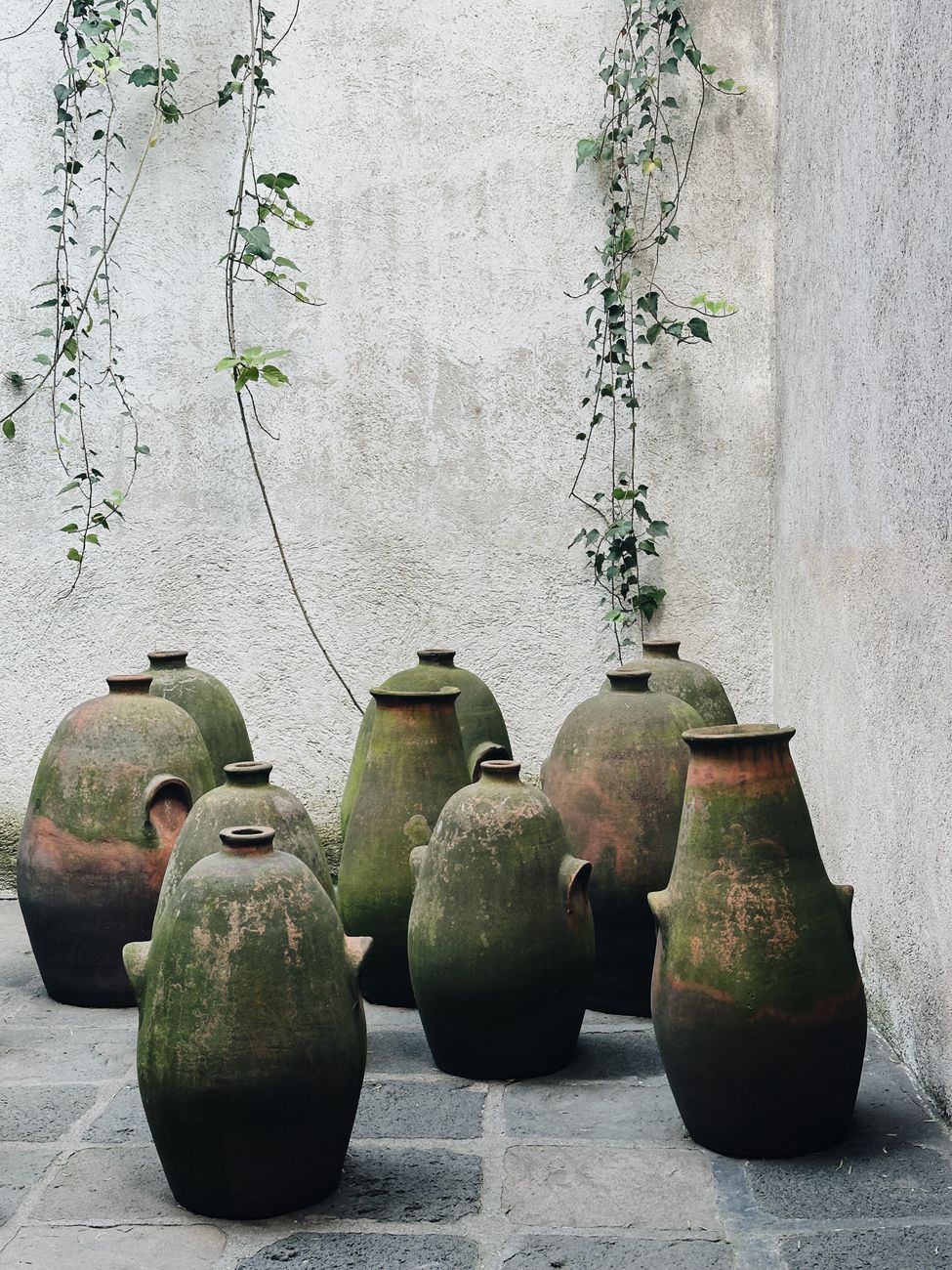
Historic adobe courtyard where wild agaves cure in the dry mountain air.
Agave as Geological Time Capsule
Travel two hours south toward the Sierra Madre del Sur, and the hills become studded with wild agaves: Tobalá, Tepeztate, and Karwinskii. Unlike industrial tequila agaves that are harvested after six years, wild Tepeztate clings to limestone crags for up to thirty-five years before sending forth its single quiote flower.
To taste mezcal distilled from these plants in earthen palenques is to drink thirty years of rainfall, sun exposure, and fungal mycorrhizae. It demands silence and slow sips from small jícara cups.
By championing regenerative master distillers who replant four wild agaves for every plant harvested, 111111 works to ensure that true culinary memory survives the pressures of global commercialization.
Access Culinary Field Notes
Inquire for our private gastronomic directory connecting travelers with generational distillers and potters in Oaxaca.
Request Field Directory