The Sanctuary of Cedar: Timber Aesthetics in Rural Kyoto
Words by the Editorial Desk of 111111 • Photography from Kansai Outposts
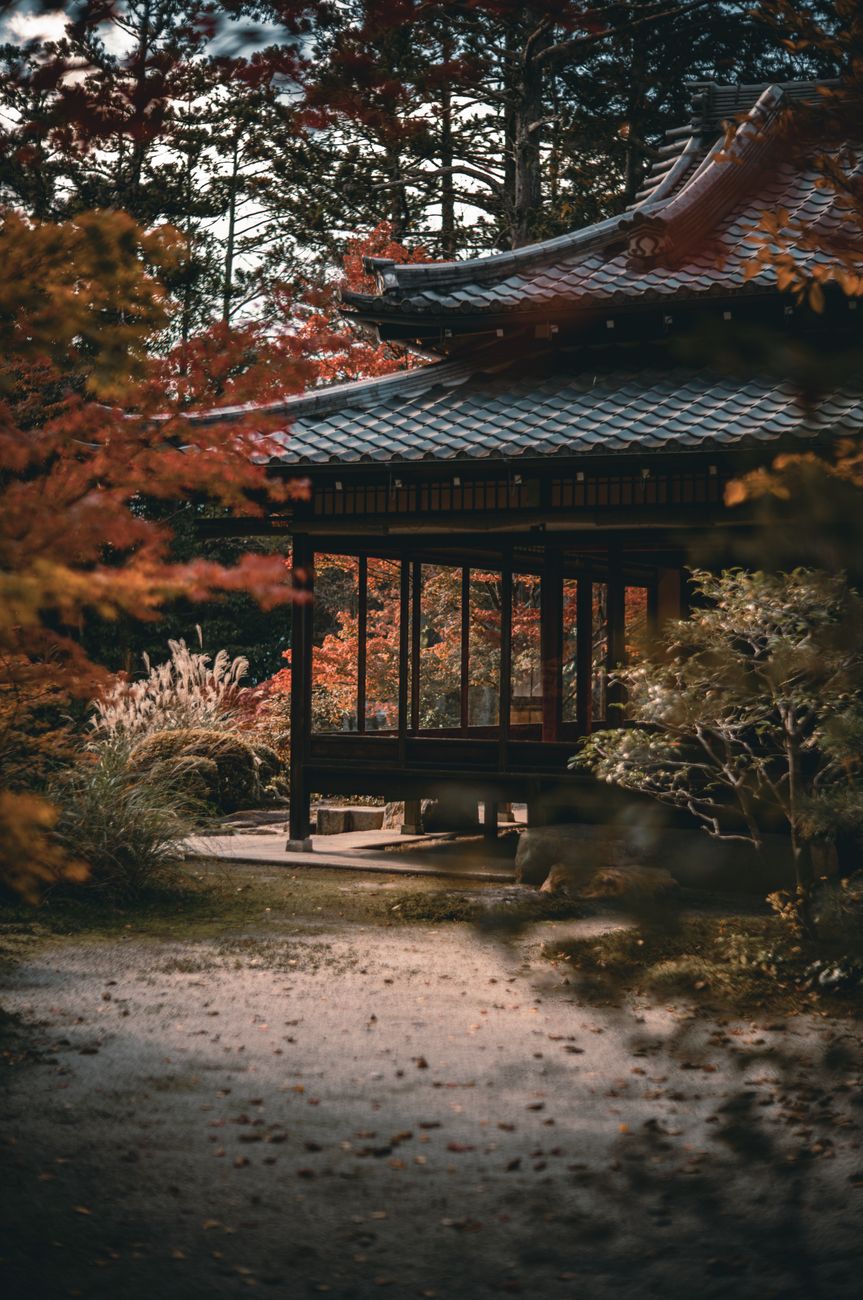
Table of Contents
North of Kyoto's Kamigamo district, where the paved city streets gently yield to winding river roads flanked by cedar groves, time undergoes an acoustic dilation. In the hamlet of Hanase, dawn arrives not with the shriek of mechanical alerts, but with the aromatic breath of wet Japanese cypress (hinoki) drifting downward from the ridge lines.
For centuries, the master carpenters of this region have understood wood not as harvested lumber, but as a living substance that continues to breathe long after its felling. Unlike industrial Western framing that seeks uniformity through chemical drying and metal fasteners, the sukiya-zukuri vernacular relies upon deep seasonal listening.
Kigumi Joinery: Building Without Nails
Inside a newly restored 180-year-old kominka operated by a local conservation trust, there is an absence of hardware. Beams of native red pine, curved organically by decades of mountain wind, interlock with upright columns of planed cedar using mortise and tenon joints known collectively as kigumi.
“When an earth tremor passes through the mountain pass, a steel-reinforced concrete pavilion resists violently until it fractures. A cedar sanctuary flexes, gently shifting its wooden friction points, dissipating energy as warmth and creaking whisper.” — Kenjiro Soga, Master Joiner
This kinetic tolerance is a poetic metaphor for intentional living. Travelers who lodge here for three nights are requested to leave digital screens behind. Shoes are placed at the genkan; wool socks glide across unlacquered floorboards that have been polished only with rice bran wax. The tactile feedback ground the visitor into immediate physical presence.
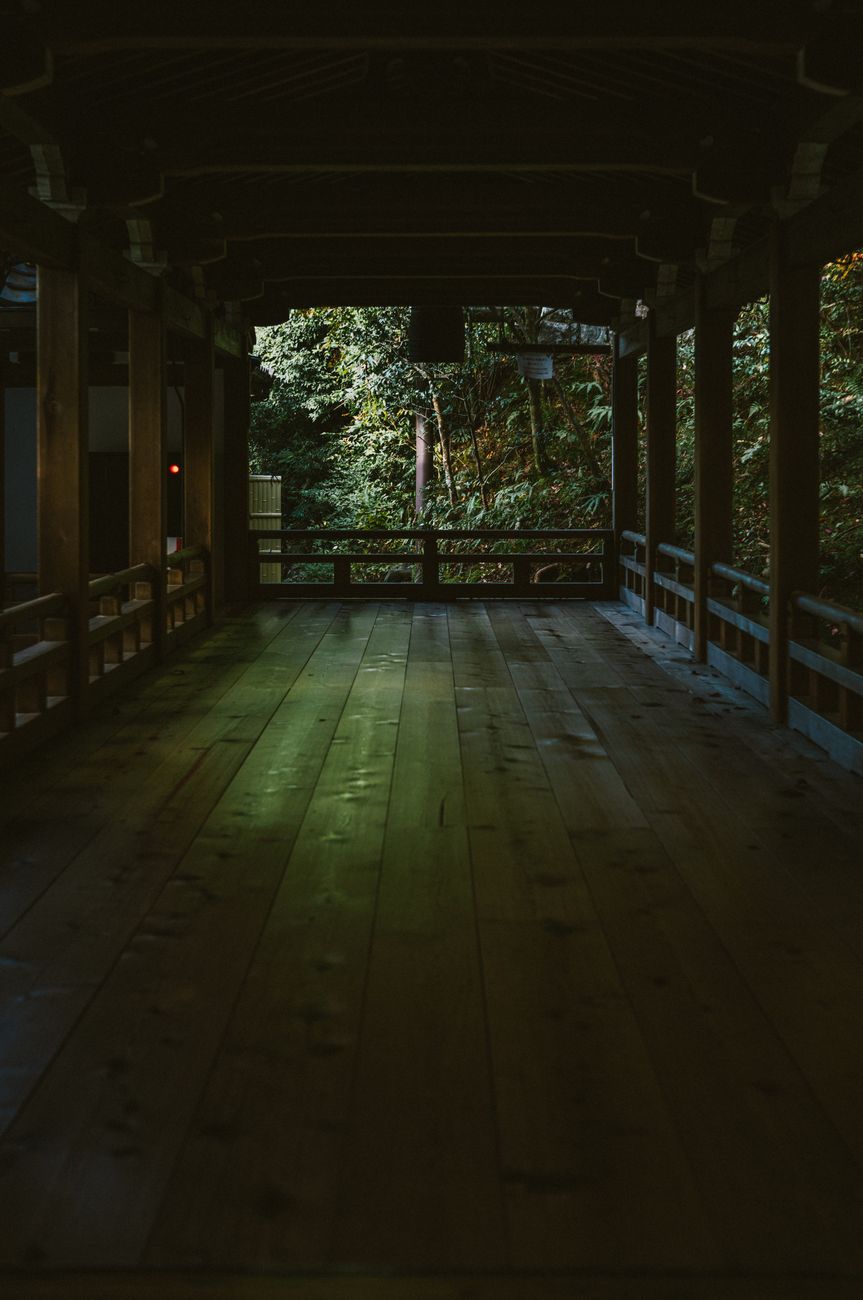
Arashiyama bamboo canopies provide acoustic buffering for nearby timber pavilions.
Living in Attentive Stillness
In the evening, dinner is served on cedar trays: mountain yams grated over cold soba, wild ferns gathered from the riverbed, and green tea brewed with spring water drawn twenty paces from the kitchen door. There are no background jazz tracks or television sets. The acoustics belong to rain drumming on bark-thatched eaves and the low crackle of binchotan charcoal in the sunken hearth.
To encounter Kyoto through this lens is to comprehend that luxury has little to do with gilded excess or butler buttons. It is the privilege of undisturbed hours, clean timber, and an architecture that honors its mortality alongside our own.
Plan an Attentive Journey to Kansai
111111 prepares curated sabbatical route blueprints with direct introductions to historic kominka conservators.
Inquire With Our Advisory